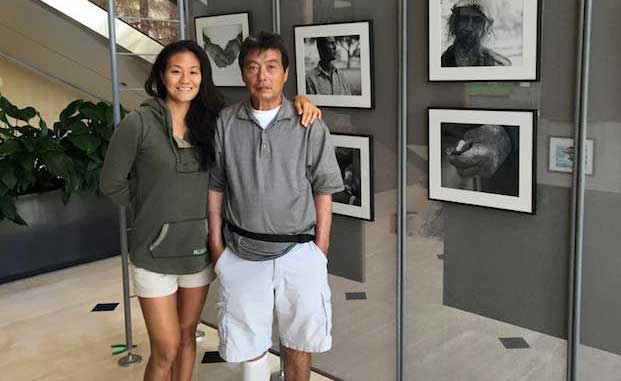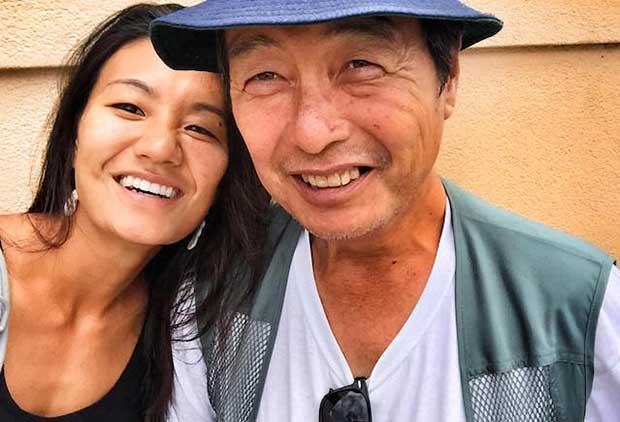
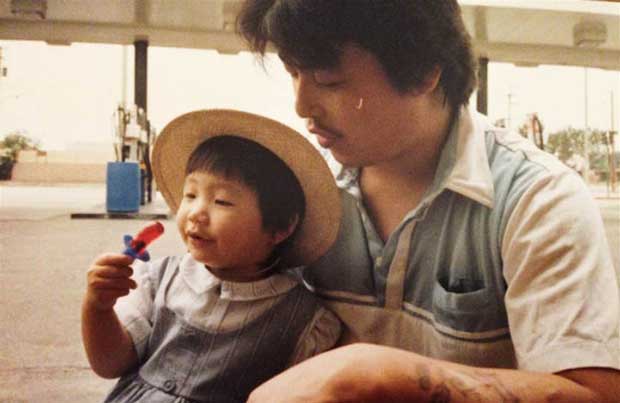
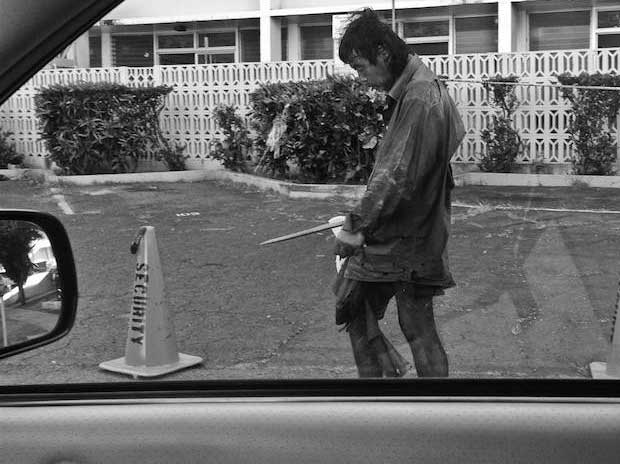
"I first started photographing the homeless community in my first year of college. I gravitated towards the homeless because in some ways I identified with their struggle. I knew what it meant to be discarded, to be neglected, and to not have the stability and economic freedom I wanted. Overall, I understood their struggle because I struggled in the same way."As Kim began her photography journey, she tried to keep up the whereabouts of her father, but her grandmother had warned her that his mental health had deteriorated after refusing to take his medication. He stopped taking baths and eating regularly. Worst of all, Kim's grandmother had lost track of him and had no idea where he was living. That is until 2012.
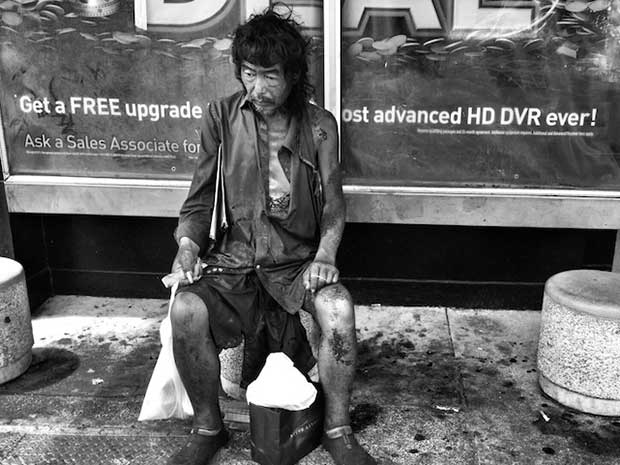
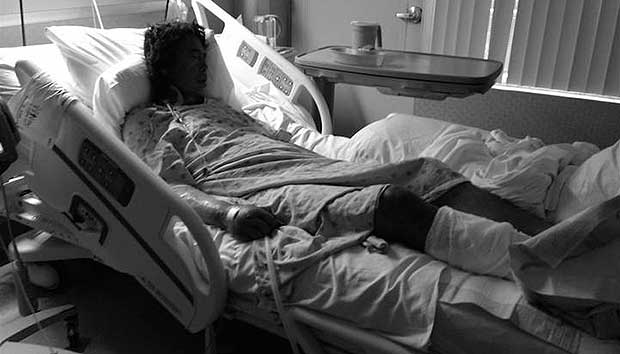
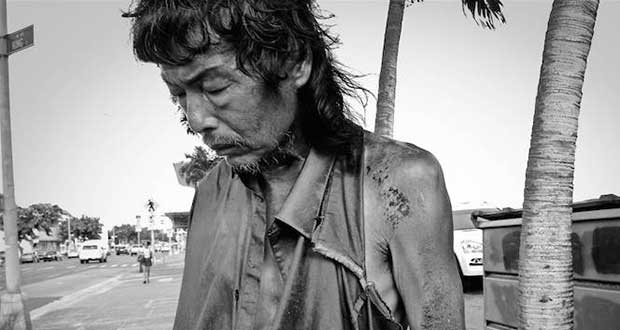
"I found him standing at the corner of a busy intersection staring into the asphalt. His hair was matted and his head rolled in small circles. . . I inched closer towards him, feeling a sense of uncertainty, and finally found the courage to call out to him. He didn’t hear me. He couldn’t hear me. I slowly stepped closer and mustered up the courage to tap him on the shoulder. Still nothing. He didn’t look up. He didn’t turn around. By now there were a couple of pedestrians who had noticed my efforts, and I could feel their eyes burning into my back and face. I could feel their curiosity pierce through the space between my father and I. The vast emptiness between us was broken by a woman who approached me and said, 'Don’t bother, he has been standing there for days.' "A part of me wanted to scream at this woman, and the world, for being so callous. I wanted to yell that he was my father, that she was a heartless person to not care. But I realized that none of that would change the circumstances. So instead of screaming at her, I faced her and said, 'I have to try.'"And for two years she did, to little avail. Then, the worst thing happened. Kim received a call that her father was in the hospital. He'd suffered a heart attack.